
Sub-Total: $0.00
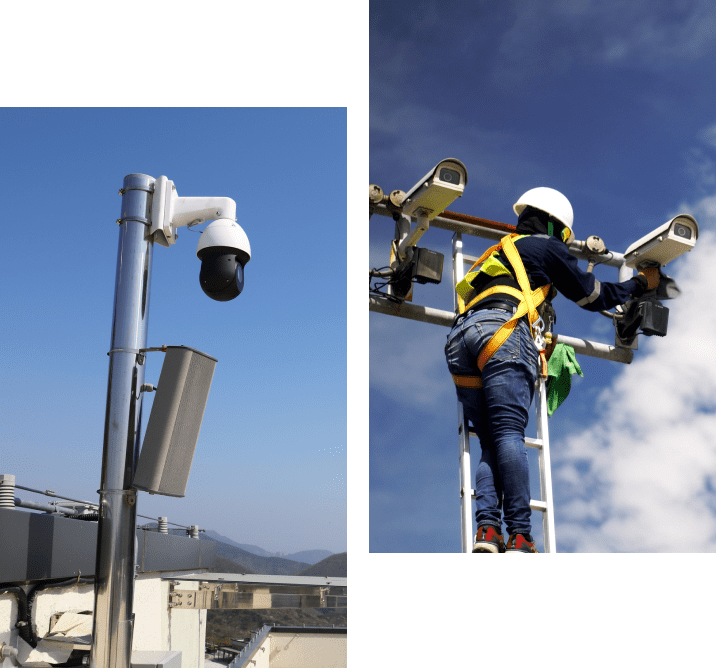
At PTZsled.com, we help teams in Denver, CO, deploy a PTZ mount that preserves roof warranties and speeds installs. Our purpose-built pan tilt zoom camera mount is engineered for modern roofing policies, giving integrators a compliant, professional alternative to drilling. With a field-proven non penetrating PTZ camera roof mount, you can meet specs, satisfy building management, and keep projects on schedule.
Why Non-Penetrating Matters
Roof membranes like TPO and EPDM demand care. Our non penetrating PTZ camera roof mount pairs with factory parapet arms to secure your camera without puncturing the roof or parapet. The result is a clean, code-aware assembly that reduces leak risk, protects warranties, and simplifies approvals.
Faster Installs, Fewer Headaches
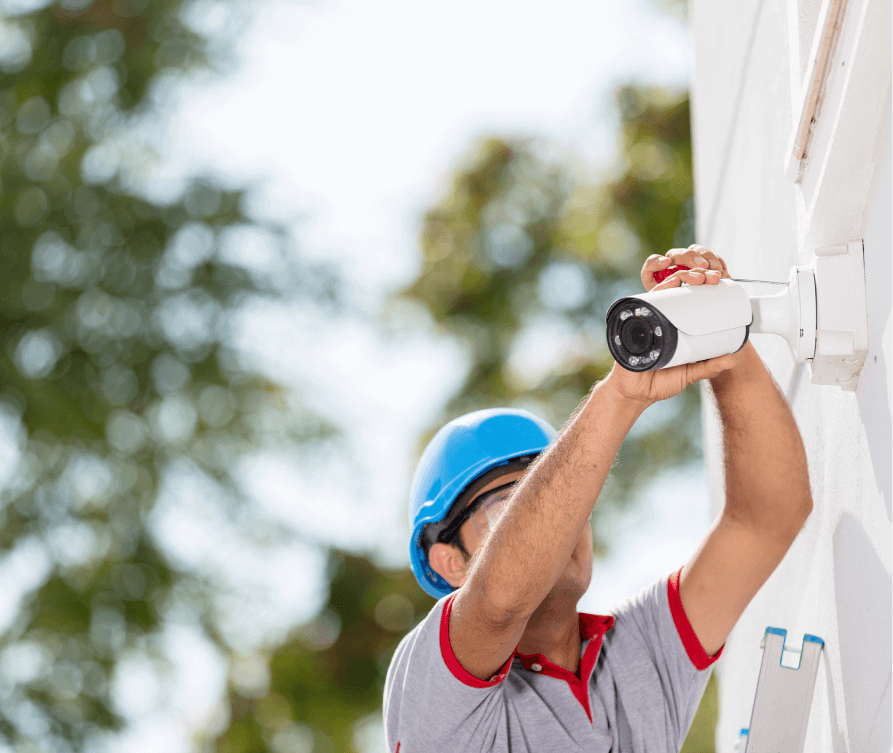
We streamline PTZ camera roof mount installation with a modular sled, engineered ballast options, and clear documentation. Compared with core-drilled anchors, pan tilt zoom camera mount installation is faster, cleaner, and safer for personnel. Fewer penetrations mean less coordination, fewer trades on the roof, and a neater cable path.
Built for Integrators
Our system supports major brands and large form-factor housings, giving you a flexible PTZ mount platform for multi-site rollouts. We provide layout guidance, wind and ballast notes, and field tips, so your truss—oops, your pan tilt zoom camera mount—lands right the first time. From surveys to sign-off photos, we support your PTZ camera roof mount installation with professional, responsive service.
Ready to standardize on a roof-safe solution in Denver? Contact PTZsled.com about a pan tilt zoom camera mount package and accelerate your next deployment today.
Frequently Asked Questions
How does the non-penetrating design protect the roof and warranty?
The sled uses distributed ballast and a parapet-arm interface, so you avoid fasteners through the membrane or parapet cap. Contact surfaces are designed to spread load and minimize abrasion, and we recommend protective pads for TPO, EPDM, or PVC. Because there are no penetrations, approvals are typically simpler, and warranty discussions are more straightforward with roofing stakeholders.